automotive aftermarket parts / Buying guide
Certification and market access
Quality and legality are separate questions. A brake pad can be perfectly good and still be illegal to sell in your market because it carries no approval mark — and that is a market-access problem, not a customs one, so it surfaces after you have paid for and received the goods.
The categories affected are predictable. Answer this before the order, not after.
In this guide
Categories that commonly require approval
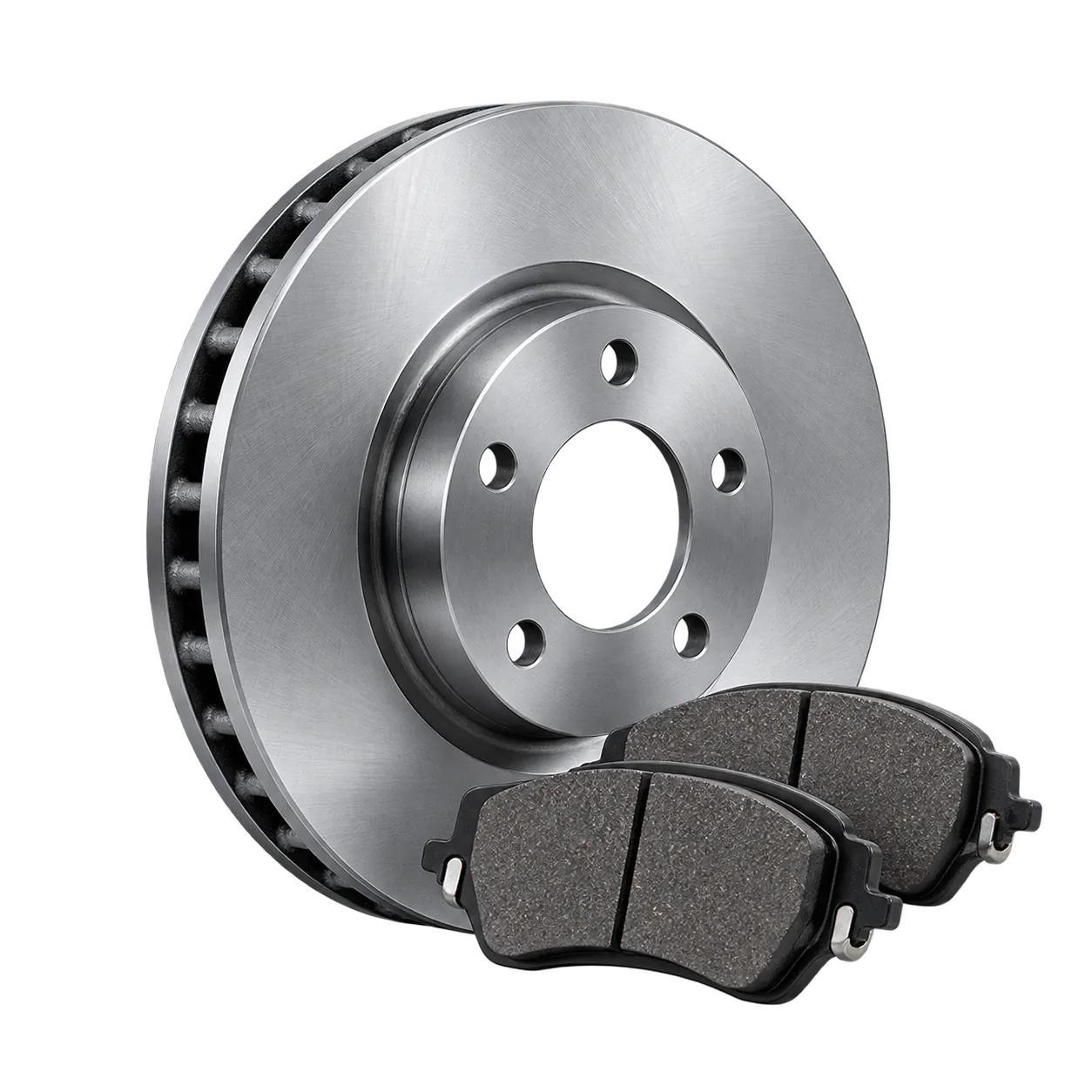
- Braking components — pads, discs, linings.
- Lighting — headlamps, indicators, rear lamps, and increasingly LED retrofits.
- Glazing — windscreens and windows.
- Tyres.
- Safety restraints and their components.
- Catalytic converters and emissions-related parts.
- Steering and suspension components in some jurisdictions.
What a mark actually tells you
An approval mark says a part was type-tested against a standard and that a specific manufacturer is authorised to apply it. It is traceable: the number identifies the approval holder and the test.
A mark moulded onto a part by a factory with no approval is a counterfeit mark, which is a worse problem than no mark at all — it is a deliberate misrepresentation, the importer carries it, and it is a customs seizure risk on top of the market-access one.
How to verify rather than trust
- Ask for the certificate, not a photograph of a mark. It names the holder, the scope and the part numbers covered.
- Check the number against the issuing authority's register. These are published.
- Check the scope covers the specific part, not a different item from the same factory.
- Ask who holds the approval. If it is not the factory you are buying from, ask how they are entitled to apply it.
Where this leaves the unregulated categories
Filters, bulbs for non-approval positions, trim, fasteners, bushings, gaskets, cables and most service consumables carry no approval requirement in most markets. This is where importing from the Chinese domestic market is straightforwardly advantageous and where most of the realistic margin is.
Questions & answers
Common questions
- Can you source approved parts?
- Where a Chinese manufacturer genuinely holds the approval, yes, and we will show you the certificate. Where none exists we will say so rather than supply an unmarked part into a regulated category.
- What if the part has a mark but no certificate?
- Treat it as counterfeit. A genuine approval always has a document behind it and the holder can produce it.
- Does this apply to parts for my own vehicle?
- Fitting rules vary by jurisdiction and are usually stricter than you expect for braking and lighting. Check locally — the fact that a part physically fits is not the test.
Your next step
Have a link you want checked?
Send a 1688 or Taobao product link and you get back the specification in English, the supplier check, and the landed cost to your country before you commit to anything.
Get a quote