
Wholesale for Middle East (UAE and GCC)
Wholesale Auto Parts for the Middle East (UAE and GCC): Small Lots from China
Traders, workshops and parts retailers in the UAE and other GCC countries buy small wholesale lots of auto parts from China, often to hold stock in a free-zone warehouse and sell on. Buyers can choose from filters, brake discs and pads, control arms, door mirrors, headlights, radiators and trim clips, bought from Taobao and 1688 sellers through us, then checked, inspected in China and consolidated for the Gulf.
The Middle East differs in three ways that matter for vehicle parts: VAT is 5% in the UAE and 15% in Saudi Arabia, duty follows the GCC common external tariff, and some categories, vehicle parts among them, often need conformity certification before import. Free zones such as those in Dubai are commonly used to hold stock and re-export. Rules change, so confirm them before ordering.
What to know before you import auto parts into Middle East (UAE and GCC)
VAT of 5% in the UAE and 15% in Saudi Arabia
UAE VAT is 5% and Saudi Arabia VAT is 15%, so the same lot costs differently depending on the country of clearance. Duty is set by the GCC common external tariff according to the exact classification, so confirm the code for each part. Ask your broker how the customs value is counted for your shipment.
Common external tariff by classification
Duty follows the GCC common external tariff, and the rate depends on the classification, which differs between a brake disc, a lamp and a plastic clip. Ask the broker for the exact code before ordering, and share the listing's part description so the code matches what is actually shipped.
Conformity certification for vehicle parts
Some product categories need conformity certification before import, and vehicle parts and electrical goods often do. Check the country's scheme for the exact part. Ask the broker which scheme applies to brake parts, lamps and mirrors, and what the seller must supply, before you commit to a lot.
Free zones for stock and re-export
Traders commonly use free-zone warehouses, for example in Dubai, to hold stock and re-export it. If you plan to sell on to other countries, ask the broker whether holding goods in a free zone changes the timing of VAT or duty, and which documents the free zone needs.
Confirm before ordering
Rules and rates change, so confirm the classification, tax, certification scheme and any importer registration with your broker before ordering. Also confirm the fit: versions of vehicles sold in China can differ from those sold in the Gulf, so match part numbers to the vehicles your customers drive, and ask whether used parts are accepted.
Customs rules, rates and product requirements change. Treat this page as orientation and confirm the current position for your exact product with a licensed customs broker or the national customs authority before you order.
Routes and timing for Middle East (UAE and GCC)
Jebel Ali for Dubai, and Dammam and Jeddah for Saudi Arabia, are the typical gateways. Sea time is roughly 2 to 4 weeks port to port, short compared with the UK or Latin America. For a small mixed shipment, the short sea leg means the warehouse inspection and consolidation steps in China are a larger share of the total time, so complete your lot first and compare quotes by scope.
A small wholesale plan for Middle East (UAE and GCC)
Confirm the conformity scheme
Before buying anything, ask your broker which conformity scheme applies to brake parts, lamps and mirrors in your country, and what the seller must supply. Choose first the items you can clear.
Sample, then build a mixed lot
Buy a sample of each fit, check size and connector on a real vehicle, then order a mixed lot from one or several sellers in a single purchase. We check variants, inspect at our warehouse and hold the lot until it is complete.
Ship to a gateway or free zone
Ship the consolidated lot to Jebel Ali, Dammam or Jeddah. If you plan to re-export, ask whether the goods can be held in a free zone, and compare port-to-port and door-to-door quotes for the leg after the port.
Listings buyers in Middle East (UAE and GCC) ask about
-
Radiators
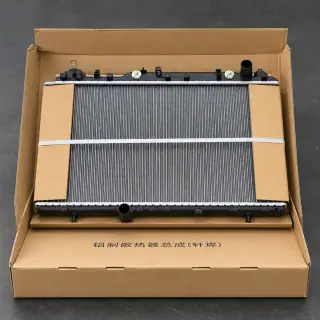
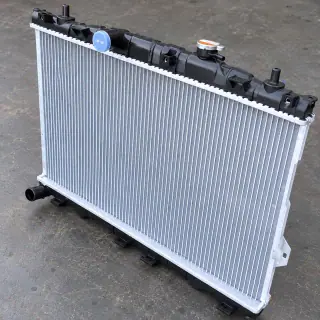
11 archived listings, observed $6.87–$74.73.
-
Brake pads
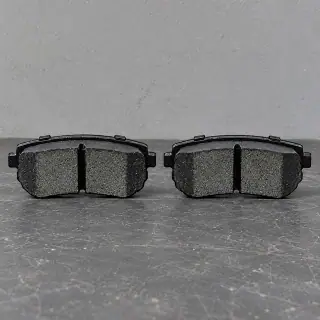
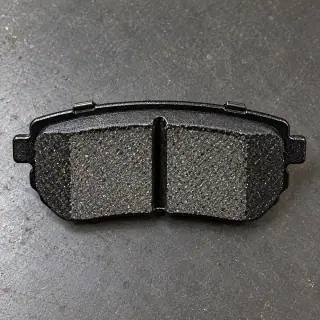
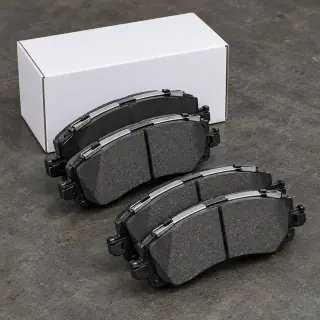
12 archived listings, observed $12.21–$40.40.
-
Air and cabin filters
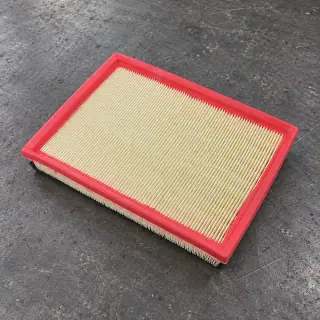
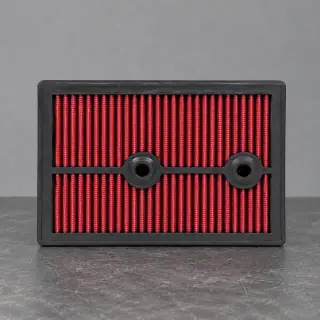
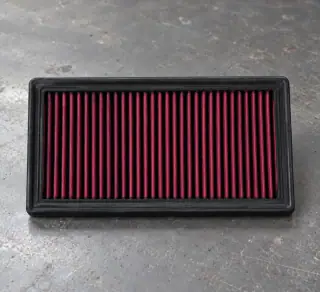
6 archived listings, observed $1.22–$21.68.
-
Headlights


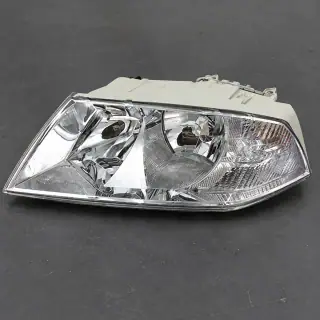
11 archived listings, observed $14.57–$38.43.
Wholesale auto parts for Middle East (UAE and GCC): questions
Do auto parts imported into the UAE need conformity certification?
Often, yes. Vehicle parts are among the categories that commonly need conformity certification before import, and the scheme depends on the country and the exact part. Ask your broker before ordering and find out what the seller must supply, because a listing alone does not show whether a part has the paperwork.
What is the VAT difference between the UAE and Saudi Arabia on imported parts?
The UAE charges 5% and Saudi Arabia 15%, with duty under the GCC common external tariff on top. The gap changes the landed cost of the same lot, so compare your cost per part for the country where you will clear. Confirm current rates with your broker.
Can I keep imported auto parts in a Dubai free zone for re-export?
Many traders do. Free-zone warehouses, such as those in Dubai, are commonly used to hold stock before re-export. Whether that suits your lot depends on the free zone's rules and your documents, so ask your broker or the free-zone operator before the goods ship.
Which port should I use for small auto parts shipments to the Gulf?
Jebel Ali serves Dubai, while Dammam and Jeddah serve Saudi Arabia, with sea time of roughly 2 to 4 weeks port to port. Choose by where your warehouse or customer is, and ask your broker which port handles your classification.
Importing to another market?
Planning a first order for Middle East (UAE and GCC)? Tell us the items, the quantities and the delivery address and we return an itemised delivered price, with the sample-first option laid out.
Plan a small order