1688 Auto Parts
Auto parts we can help you source
We help workshops, distributors, fleet buyers and other parts buyers source aftermarket and unbranded automotive components from China. Choose a system below to see its component-specific checks. A category describes the buying scope; it does not mean every listed part is available or suitable for your vehicle and market.
Last updated
Content reviewed:
Explore auto parts by system

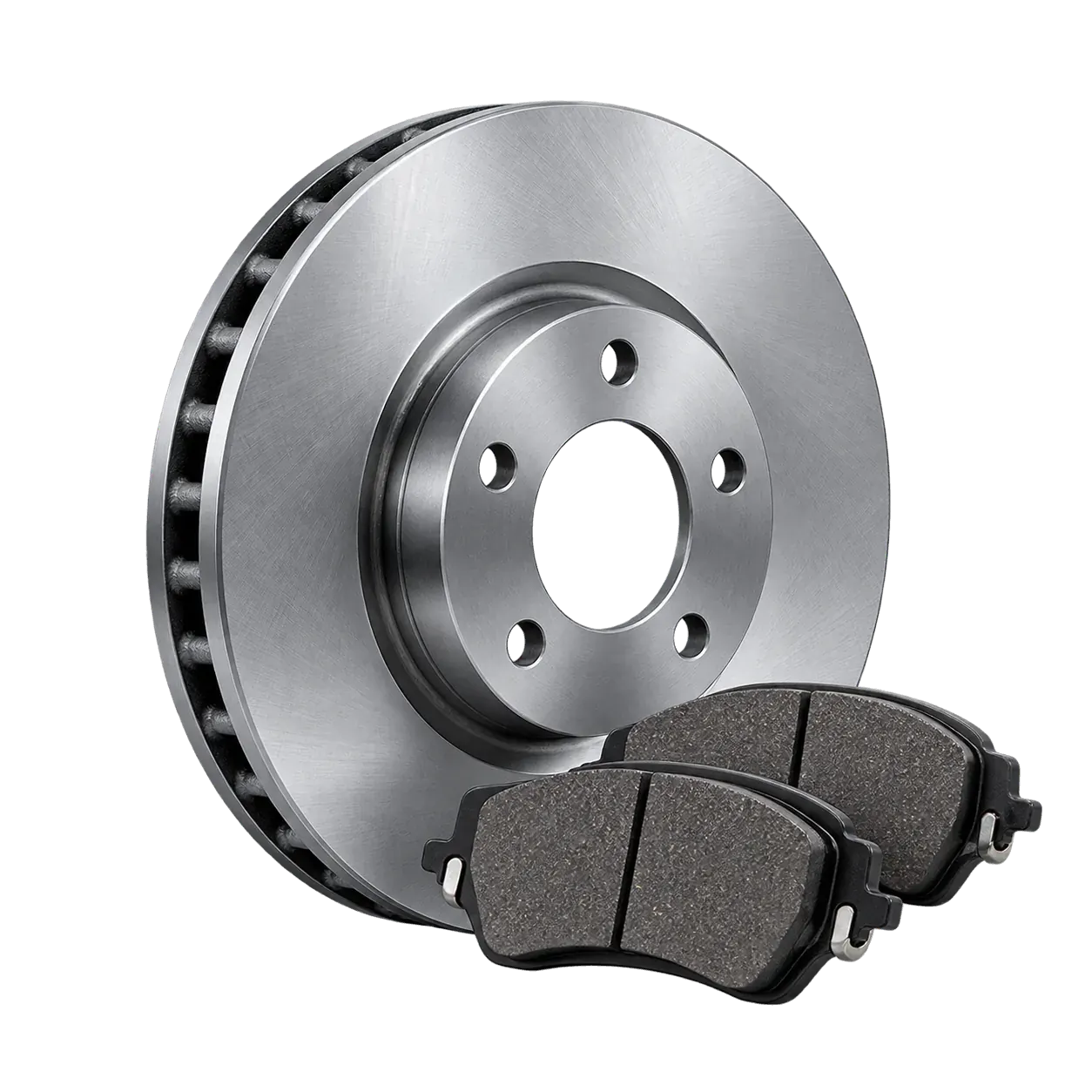
Illustrative category image Brake parts
Specify the exact vehicle application, dimensions and part reference. Establish required evidence and acceptance criteria for safety-related use before approval.
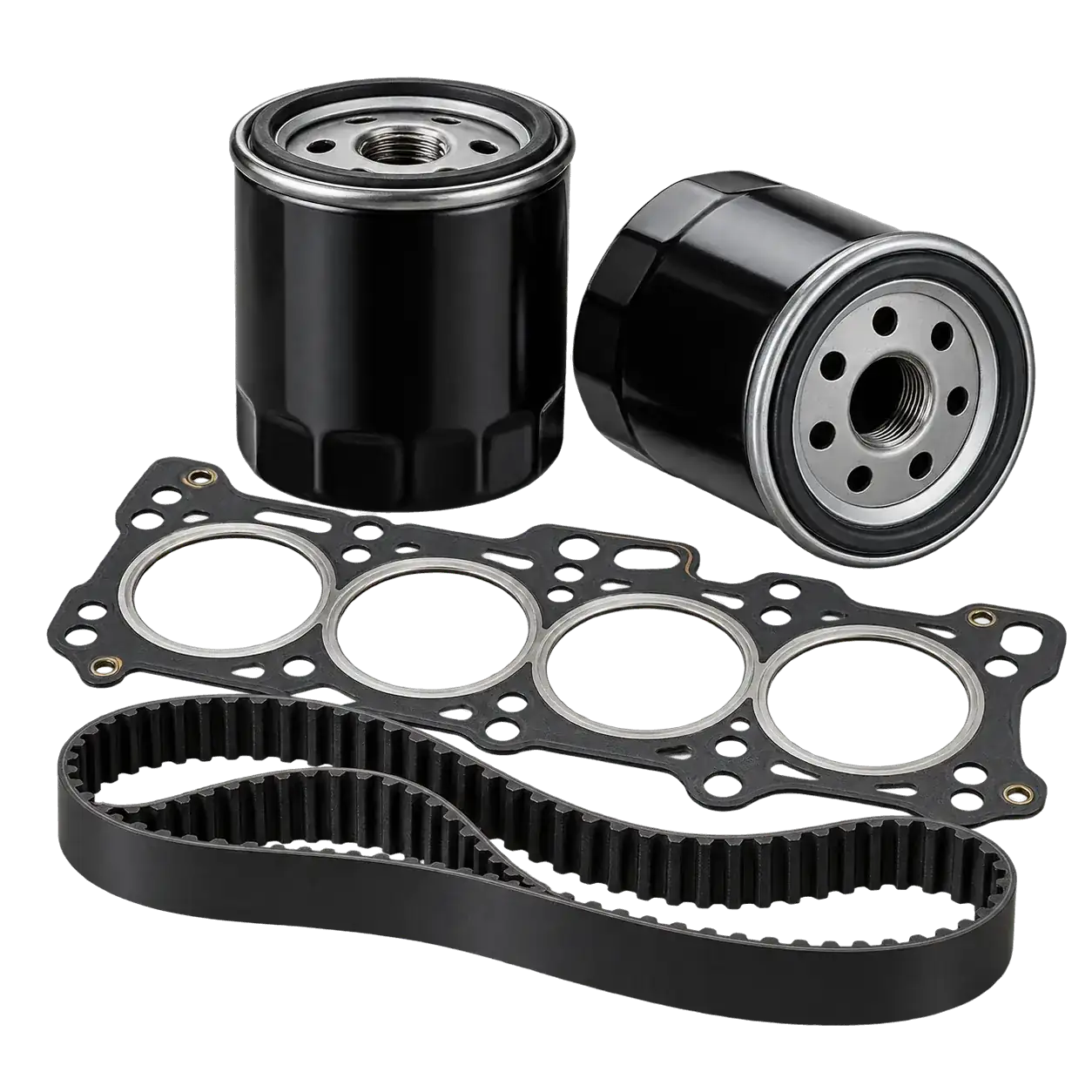
Illustrative category image Engine parts
Compare part numbers with dimensions, material, interfaces and engine details. Confirm authenticity and branding authorization rather than relying on packaging.
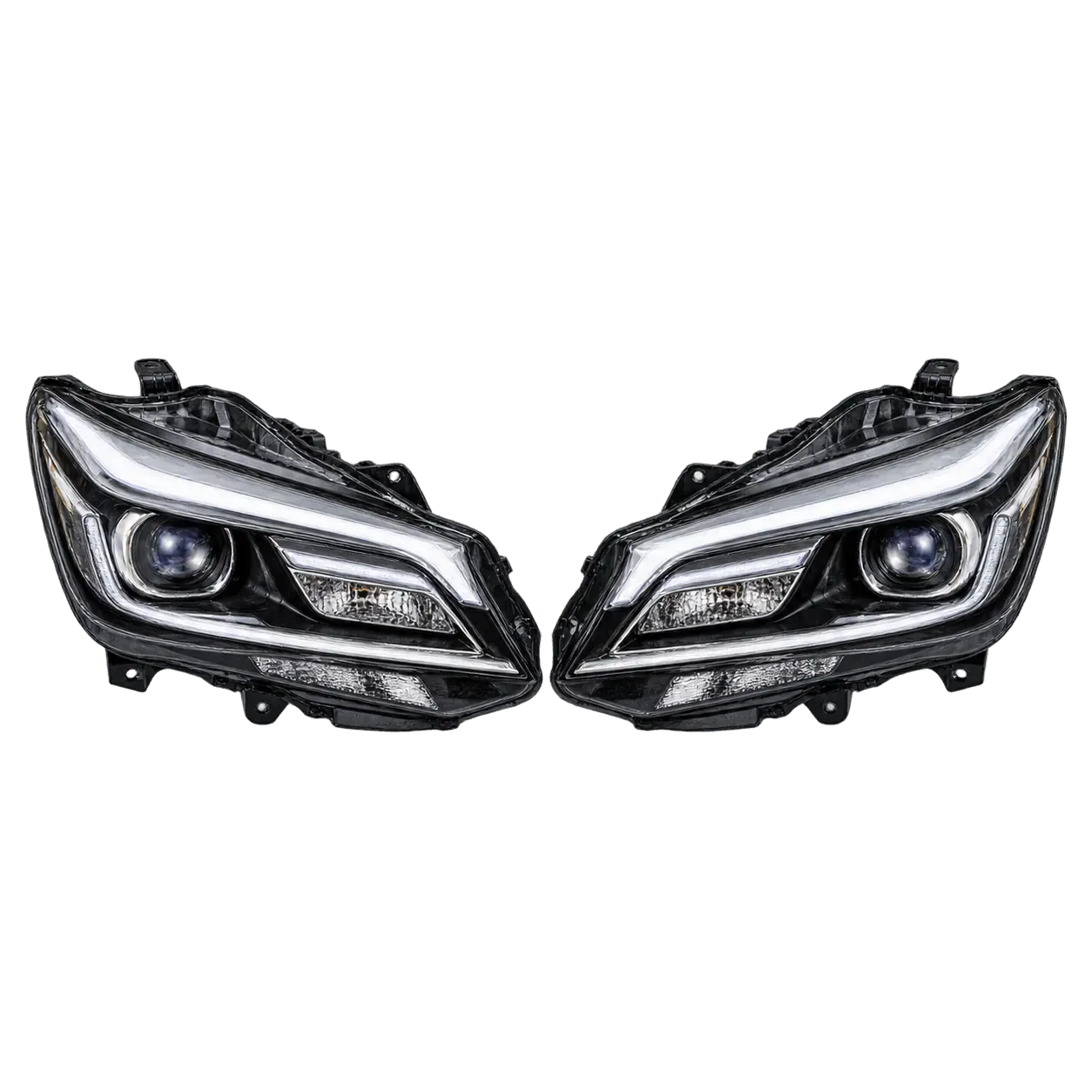
Illustrative category image Lighting parts
Identify the fitting, connector, voltage and intended use. Confirm destination requirements and the exact model covered by any performance documents.
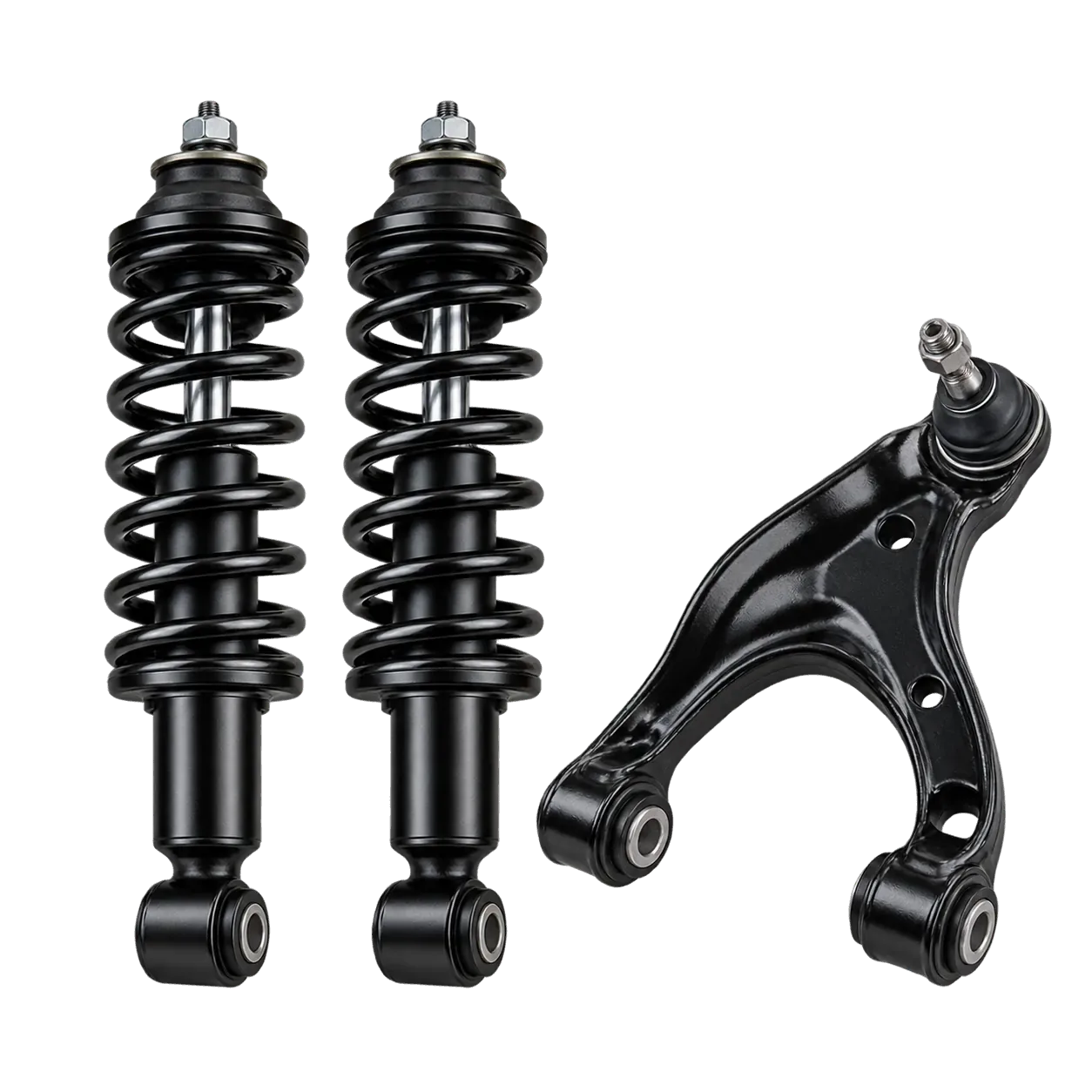
Illustrative category image Suspension and steering
State vehicle, axle position, mounting dimensions and load requirements. Agree material and test evidence; similarity does not prove compatibility or safety.
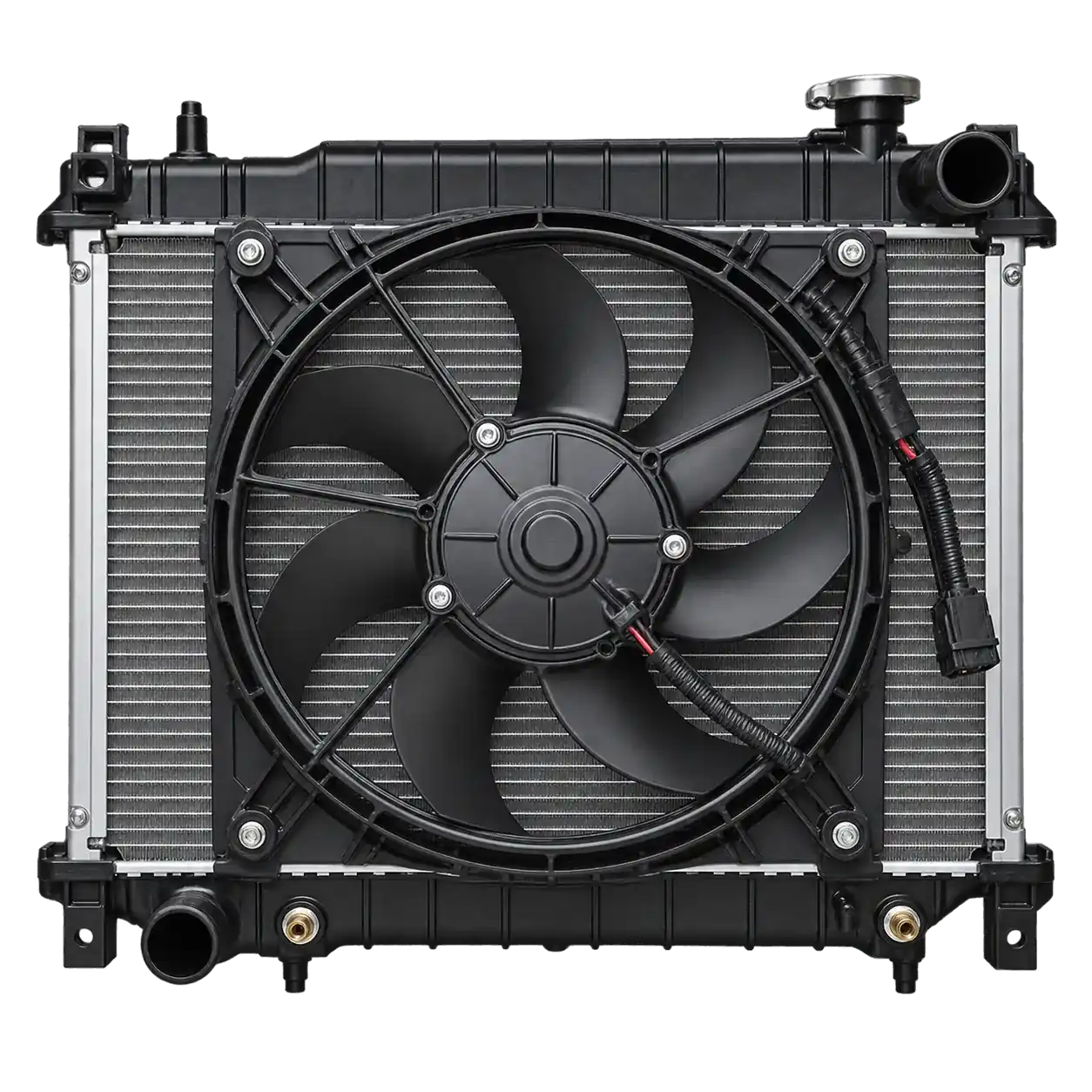
Illustrative category image Cooling system
Confirm mounting points, port positions, dimensions and materials. Agree any pressure or leak checks and their acceptance criteria as a separate scope.
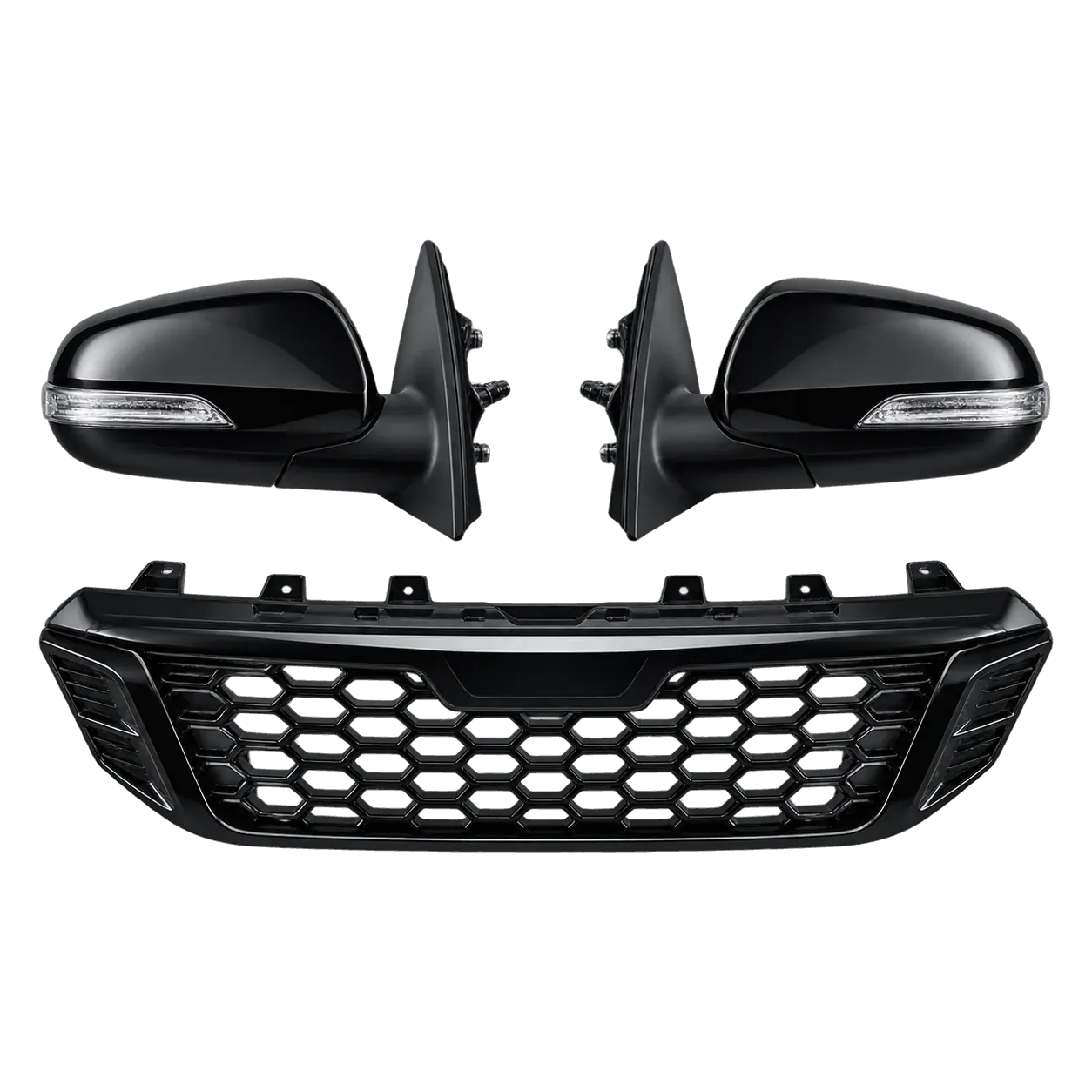
Illustrative category image Body parts and accessories
Match model year, trim, mounting points, sensor interfaces and finish. Compare drawings or measurements before accepting a replacement or alternative.
Choose the system, then define the exact component
Our category pages cover brakes, engine parts, lighting, suspension, cooling, and body parts. They explain different evidence needs: a brake component, an electrical connector and a body mounting point cannot be assessed using one universal checklist.
For filters, transmission items, fasteners or other components, describe the part in your request even if no dedicated category appears below. Confirm sourcing feasibility and the required evidence for that item. We are a buying agent, not the vehicle manufacturer or the manufacturer of the offered component.
Prepare one specification for each order line
For a mixed basket, keep each reference and variant on a separate line. Record position, quantity and the unit being purchased: a single pad, axle set, pair of lamps and complete kit are different commercial units. Identify included fittings and anything required separately.
- OE/catalog reference with source, suffixes and vehicle application
- Relevant geometry, material and operating requirements
- Photographs of markings, mounting points, connectors and interfaces
- Destination, intended use and product-specific documentation needed
Affordable alternatives and parts made to a drawing
A lower purchase price is useful only when the offered part meets your approved requirements. We can help compare alternatives and negotiate supplier terms, while keeping differences in material, specification, packaging and evidence visible. An alternative is not proof of OE equivalence.
Drawing-based customization starts with your authorised design, revision, tolerances, materials, quantity and acceptance requirements. Supplier capability, tooling, samples and verification costs require an individual agreement. Approve fitment, the final drawing and specification before purchase; appearance or dimensions alone do not establish performance.
Identify restrictions before building the basket
Our purchasing scope is aftermarket and unbranded goods. Parts carrying a vehicle manufacturer's mark are outside this scope. An OE number can be used as an application reference without treating an offered component as a genuine manufacturer part.
Batteries, pyrotechnic restraints, pressurised parts, fluids, aerosols and adhesives need item-specific transport screening. Acceptance depends on the actual contents, condition, carrier and route. Road-use approval and import requirements must also be checked for the destination and exact product. A category card or seller claim does not settle these questions.
Compare the whole basket, including packing
Order minimums, pack rounding, sample or tooling costs and agreed checks affect the total. Fragile lighting and bulky bodywork may need substantial protective packaging. Compare actual protected dimensions and gross weights rather than judging freight from the bare part.
A mixed order may require several suppliers or separate shipments. Ask for goods, domestic freight, service, packing, international freight and destination assumptions on the same basis. Consolidation is worth comparing, but does not automatically reduce cost or make restricted goods acceptable.
Questions before you request a quote
- Do you buy genuine vehicle-manufacturer-branded parts?
- No. This service covers aftermarket and unbranded parts. OE references support application research, not a claim that the supplied part is genuine or equivalent.
- Can I combine several vehicle applications?
- You can submit a mixed request. Keep each application and variant distinct; supplier minimums, inspection and shipment compatibility are reviewed line by line.
- Is a category listing a guarantee of availability?
- No. The exact reference, quantity, specification and supplier offer must be checked. A suitable sourcing option may not be available.
- What if I only have the old part?
- Send its markings, photographs and relevant measurements with vehicle details. If identification remains uncertain, resolve it with a qualified technician before selecting a replacement.
Tell us which parts your order needs
Send one line per part with its reference, quantity, application and destination. Add drawings or an alternatives brief where relevant, and identify any restricted contents or unanswered specification questions.
Turn this guide into a buying request →
Keep this page as context. Add what you know; review everything before sending. No purchase is made at this step.
Continue to request →