
Brake disc pallets: verify the US LTL class behind the rate
For onward US LTL delivery of brake discs, confirm the packed commodity and attributable freight-class basis before relying on the quoted rate.
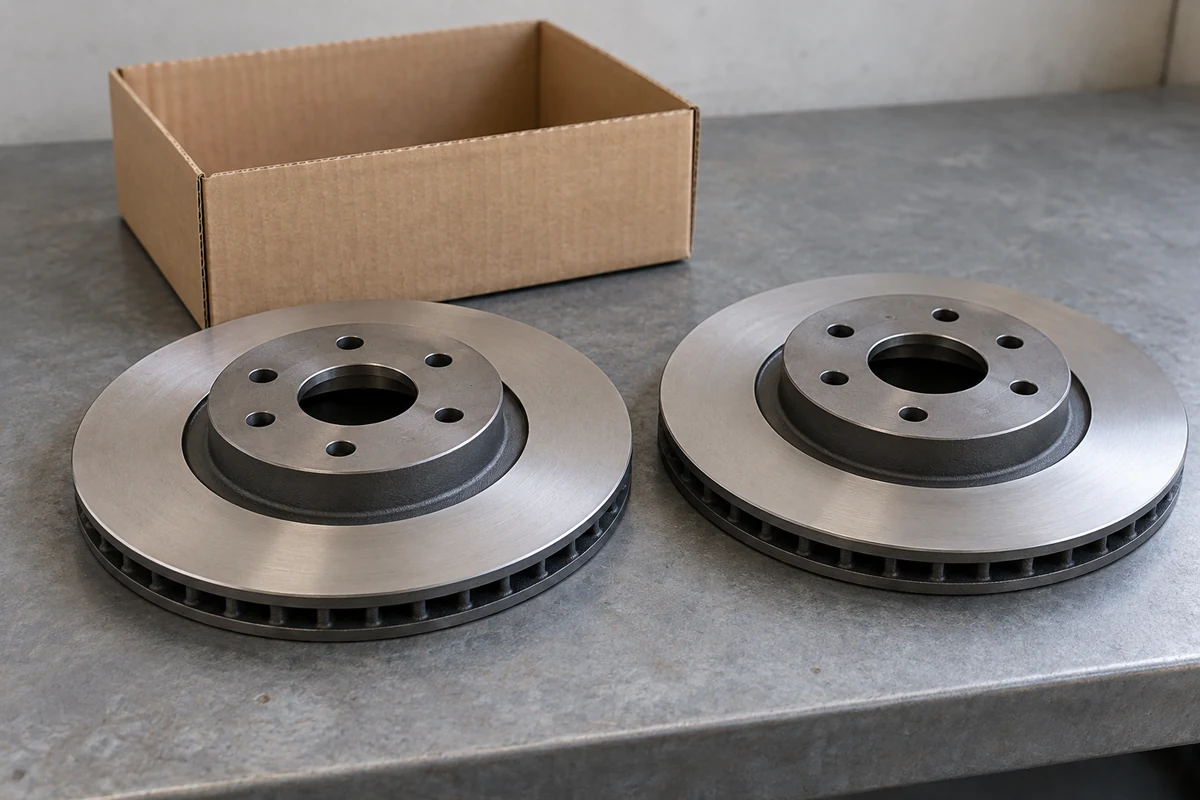
A dense brake-disc pallet does not give the buyer a self-evident US LTL freight class. Before relying on an onward delivery rate, ask who assigned the class, which commodity description they reviewed and whether their answer covers the actual packed load. A low class entered only to obtain a preliminary estimate leaves the eventual charge unresolved.
This question concerns the US less-than-truckload leg. Ocean freight, air freight and customs commodity codes use different decisions. Do not carry an LTL class into those fields or treat a transport classification as evidence that a brake disc fits a vehicle.
Establish what the US carrier will collect
Identify the collection location after the international movement and the final delivery point. Record the brake-disc references, quantities and actual contents on each pallet. State whether accessories or other products are present, so the provider does not assess a pure disc load when the pallet is mixed.
Request gross weight and the finished outer dimensions for the palletized goods, with packing included and units explicit. Distinguish measured information from an estimated packing plan. If the load is repacked after arrival, the overseas pallet record may no longer describe the US collection unit.
Keep product identification useful but proportionate. The provider needs a truthful commodity description and transport characteristics. A vehicle application number alone may not explain what is on the pallet; a generic “metal parts” line may conceal the specific goods it is being asked to rate.
Density is one input to classification
FedEx Freight's current US class guidance names density, liability, handling and stowability as relevant characteristics. Its calculator result is an estimate; actual classification rests on the commodity's demonstrated transportation characteristics. It also says to include the pallet or other packaging in shipment weight. FedEx Freight class calculator guidance
For the buyer, the next step is an attributable answer, not a copied number from a density table. Ask the provider to state the classification basis used for these brake discs, any required commodity item or sub-item reference, and the facts still needed to confirm it. Record the issuer and date beside the quotation.
Do not invent an NMFC code for all rotors or assume the heaviest pallet receives the cheapest class. If two providers give different answers, send each the same complete record and ask them to explain the difference. Keep both replies until the discrepancy is resolved.
A class-basis worksheet for brake discs
| Field | Evidence | Open question |
|---|---|---|
| Commodity description | Exact disc types and other contents | Did the provider assess this mixture? |
| Pallet gross weight | Measured load including packing | Is the figure final? |
| Packed cube | Finished dimensions and units | Did repacking change the load? |
| Class authority | Provider response and applicable reference | Is this estimated or confirmed? |
| Handling/stowability | Attributable restrictions | What assumptions support the rate? |
| Reclassification exposure | Quote terms and correction process | Who reviews a changed assessment? |
This purchasing record does not certify the class. Its purpose is to prevent an assumed calculator output from being mistaken for the basis of an available offer.
Fictional comparison: correct weight, unsupported class
Imagine a fictional brake-disc pallet with a completed weight record. One forwarder inserts a low class based only on its apparent density. Another asks for the commodity details and packing restrictions before quoting. No class number, price or outcome is supplied here.
The first offer appears more complete because it has a total, but its classification basis remains unanswered. The second has identified a dependency. Send the requested information to both providers and ask for updated responses. Rank the resulting offers only after their class assumptions and services are comparable.
If a provider later changes the class, request the reason, supporting measurement or commodity record, and revised rate. Preserve the original answer. Do not treat every correction as an error by the carrier, or accept an unexplained increase simply because the load has already arrived.
Budget the quoted leg without inventing a correction fee
Keep confirmed LTL charges separate from any stated conditional reclassification exposure. Ask what the provider's terms say about reviewing discrepancies and who is responsible under the buyer's actual agreement. An unspecified possible correction remains an uncertainty, not an invented percentage contingency.
The purchasing file is ready when the quotation, commodity description and packed-load record refer to the same proposal. This guide assigns no freight class and approves no brake component.
The primary guidance cited here was checked on 14 October 2026. Recheck the applicable current rules and provider terms before committing to the actual shipment.
Keep the buying enquiry within scope
For product context, see Brake parts. The Autoparts sourcing request can start an independent aftermarket or unbranded buying enquiry with a short description or supported product link. It accepts up to five PNG, JPEG, WebP or GIF images, at most 10 MiB each and 20 MiB total; descriptions are 8–1200 characters. Arrange other documents through a separately agreed, authorized exchange. The form is not a PDF, CAD or ZIP portal.
Supplier information and negotiation do not establish product suitability, specialist transport acceptance or customs approval. Keep those decisions with the responsible qualified parties. No freight service, branded-product offer or guaranteed outcome is implied here.
Frequently asked questions
Can I assign a brake rotor freight class from density alone?
Use density as evidence for the responsible provider’s assessment. The cited US LTL guidance also considers handling, stowability and liability. This article does not supply a universal rotor class or NMFC code.
Should the pallet weight include the packaging?
The cited FedEx Freight calculator guidance says to include the pallet or other packaging. Preserve a measured gross figure and ask the actual provider to confirm the input basis it used.
Does the same class apply to the ocean shipment from China?
This review is confined to the onward US LTL leg. Obtain the ocean provider’s own charging basis and keep customs classification separate as well.
What should I do if two LTL providers assign different classes?
Give both the same finished-load and commodity record. Request the source and assumptions behind each answer, then resolve the discrepancy before treating their rates as equivalent offers.
Sources
Discuss a sourcing request related to this article.Brake disc pallets: verify the US LTL class behind the rate