
Windscreen carriage: separate declared value from the replacement budget
Separate the windscreen’s declared value, actual carriage terms and replacement cash requirement before treating possible recovery as money available.
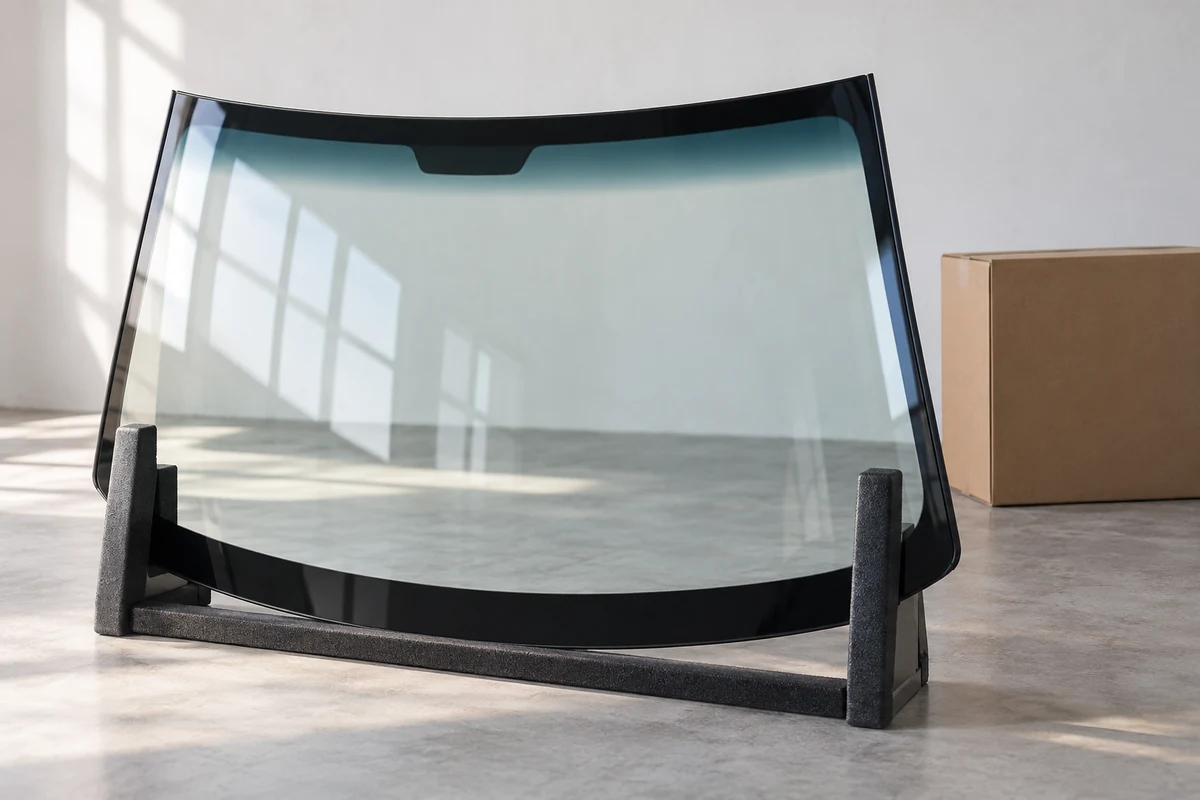
For windscreen carriage, a declared value does not settle the replacement budget. Establish what the actual carriage arrangement says, who is responsible for the packing and which spending the buyer would face if another screen were needed. Keep any possible recovery separate until its basis is confirmed.
This is a pre-purchase cash-exposure review. It does not diagnose glass damage, select an insurance policy or establish that a carrier excludes windscreens. No actual claim or coverage arrangement has been assessed.
Identify the value arrangement being offered
Ask whether the quote includes a declared value for carriage, an actual insurance arrangement, both, or neither. Request the responsible carrier or insurer, service, governing terms and the exact goods description. A supplier's phrase “fully covered” leaves all of those questions open.
FedEx's US explanation distinguishes declared value from insurance: declaring a value concerns its liability limit, does not guarantee a payout, and leaves proof and packing relevant to a claim. That general explanation does not determine glass-specific eligibility or another carrier's terms. FedEx declared value
Have the actual provider confirm its maximums, conditions and any product-specific limitations for the proposed windscreen. If separate insurance is offered, request its policy documents and professional explanation rather than treating the declared-value receipt as the policy. Do not assume an online general description is the contract being purchased.
Connect the screen, its packing and its value evidence
Record the ordered windscreen identity, quantity and the supplier's price evidence. Keep the commercial description consistent with the carriage record. If the shipment contains multiple screens, ask how the proposed value applies to the actual packages; do not spread one unexplained shipment figure across units by guesswork.
Identify the party that supplies and approves the packing arrangement. Preserve the packing specification or provider record and the final packed-goods evidence available before dispatch. The goal is an attributable record, not a buyer's declaration that the protection is technically adequate.
Avoid treating a crate photograph as proof of glass condition or claim entitlement. It can connect a packing record to a shipment, but it cannot establish unseen damage, causation or all contractual obligations. Keep any required professional inspection or notification process distinct from ordinary purchasing photographs.
Build a replacement-cash view
Ask what an equivalent replacement proposal would include: the actual windscreen, required packing, carriage and any separately assessed destination charges. Obtain current quotes when a real replacement decision arises. Do not import the original freight amount as a guaranteed repeat price.
Alongside that potential spending, create a separate recovery field. State whether recovery is merely possible, has been requested, has been accepted under stated conditions, or has actually been received. A claimed amount and available cash answer different budgeting questions.
| Windscreen record | Purchasing purpose |
|---|---|
| Packed glass identity | Connects the ordered units and carriage description |
| Liability terms | Identifies the service and value arrangement |
| Value evidence | Supports the figure put to the provider |
| Packing responsibility | Names the responsible party and retained record |
| Replacement proposal | Shows the new goods and transport spending |
| Unconfirmed recovery | Prevents an uncertain receipt reducing the cash need |
Do not fill the last row with the full declared amount simply to balance the worksheet. Ask the responsible professional about the actual terms and evidence. This sheet is an original purchasing aid, not an assessment of what a claim would pay.
Fictional comparison: a value line without a policy
A fictional buyer sees a declared-value amount on a windscreen freight offer and assumes a damaged screen would be replaced without additional cash. The offer does not identify separate insurance or explain whether replacement carriage is recoverable. No actual damage or claim is represented.
The buyer requests the carriage terms and a clear explanation of the arrangement. It retains the replacement purchase and transport as possible spending, while recovery stays unconfirmed. If the provider later supplies an insurance proposal, the buyer has the responsible insurance professional review that proposal on its own terms.
Increasing the declared figure would not, by itself, answer the missing questions. The useful decision is whether the buyer understands the exposure it would retain under the actual arrangement and can fund the proposed purchase. A lower premium or freight line is insufficient when its meaning is still unclear.
The primary guidance cited here was checked on 14 October 2026. Recheck the applicable current rules and provider terms before committing to the actual shipment.
Keep the buying enquiry within scope
For product context, see Body parts. The Autoparts sourcing request can start an independent aftermarket or unbranded buying enquiry with a short description or supported product link. It accepts up to five PNG, JPEG, WebP or GIF images, at most 10 MiB each and 20 MiB total; descriptions are 8–1200 characters. Arrange other documents through a separately agreed, authorized exchange. The form is not a PDF, CAD or ZIP portal.
Supplier information and negotiation do not establish product suitability, specialist transport acceptance or customs approval. Keep those decisions with the responsible qualified parties. No freight service, branded-product offer or guaranteed outcome is implied here.
Frequently asked questions
Is declared value the same as windscreen shipping insurance?
No. The cited FedEx explanation treats declared value and insurance as separate arrangements. Ask what is actually included in your offer and obtain the governing documents; this article does not assess a policy.
Does this mean carriers exclude automotive glass?
No glass-specific exclusion is established here. Ask the actual provider about the exact screen, packing and service, and preserve any product-specific conditions it identifies.
Can I deduct the declared amount from my replacement budget?
Do not treat it as an assured receipt. Keep replacement spending and possible recovery separate until the responsible party confirms the actual basis and status of the recovery.
Why keep packing records with the value documents?
They connect the physical shipment and responsible packing party to the carriage arrangement. They support a coherent enquiry, but a photograph or specification does not itself establish liability or a successful claim.
Sources
Discuss a sourcing request related to this article.Windscreen carriage: separate declared value from the replacement budget