
Brake service kits: resolve the import description before estimating UK duty
Give the UK customs adviser the brake-service kit’s actual components and supply presentation before copying a supplier code into a duty estimate.
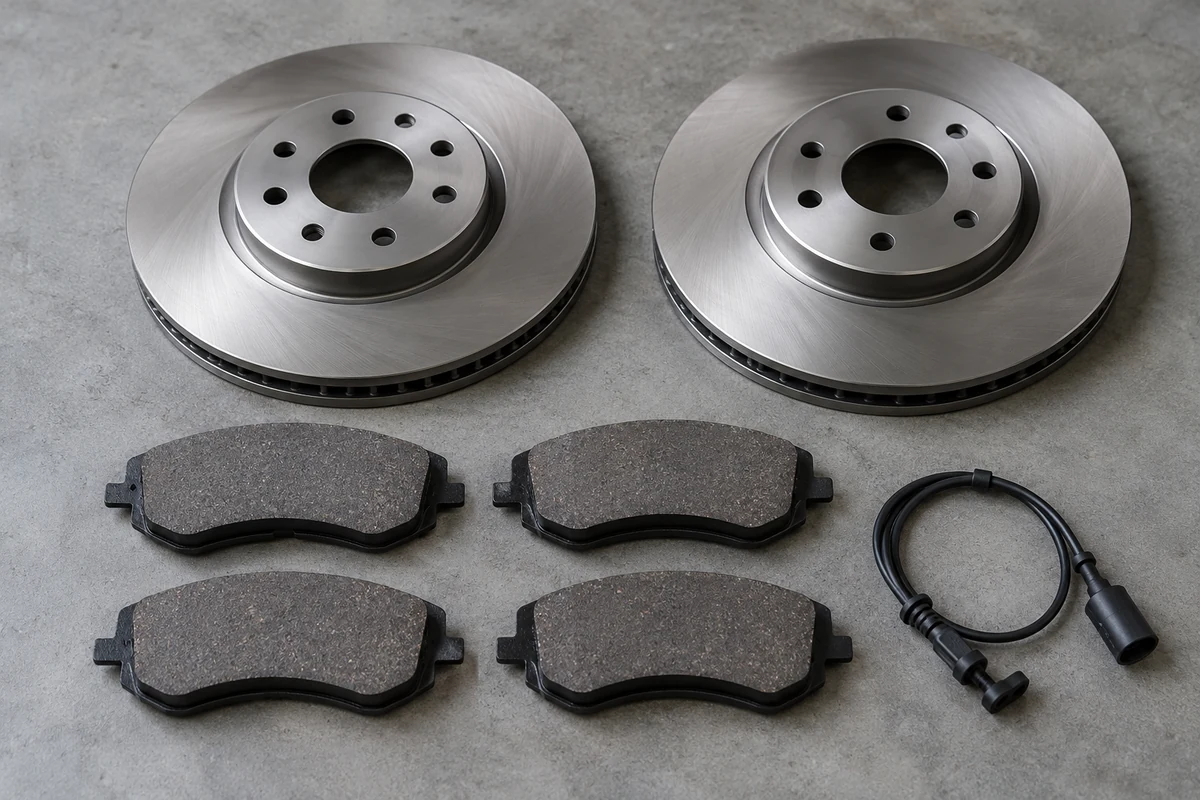
A brake-service kit's import-duty estimate needs more than a supplier's code for “car parts.” Give the UK customs adviser the actual components, their functions and the way the kit is supplied. A kit name or shared package does not determine whether one or several classifications apply.
This review begins with the agreed purchase contents. It does not choose a brake compound, approve a sensor or change the kit to obtain a preferred tariff result. Classification, product acceptance and the commercial contents agreement remain separate decisions.
Freeze the actual supplied contents
Identify the kit reference and revision, then list the components with quantities. Distinguish friction parts, sensors, fasteners and any other included goods using the supplier's exact records. Do not assume an accessory is absent because it has no separate price line.
Request material and function descriptions where the responsible adviser needs them. Keep the source of each description so a copied marketplace term does not become an unqualified technical statement. Where the supplier cannot answer, retain the gap and ask what existing product evidence can resolve it.
Describe the actual supply presentation: which items are presented together, what is separately supplied, and how the commercial record describes them. Photographs and packing records can support that factual account. They do not authorize the buyer to decide that every component shares one code, or that every component must be entered separately.
Check the scope of the supplier's code
HMRC explains that commodity codes affect import charges and that a code supplied from another country needs verification for UK treatment. Product-specific decisions can differ by country. The supplier's code is therefore an input to the enquiry rather than a completed UK classification assessment. HMRC finding commodity codes
Ask the seller which exact goods its code describes and in which jurisdiction it was used. A historical code for a friction-parts-only order may not answer a later kit proposal with additional contents. Preserve the original statement instead of silently extending it to every new component.
Send the full facts to the customs adviser and request the destination-specific assessment. Ask what evidence or formal clarification is needed if the classification is uncertain. This article assigns no commodity code, duty rate or legal set classification.
Keep the duty estimate conditional on the answer
When the adviser returns an assessment, connect it to the kit revision and stated presentation. Ask which assumptions must be rechecked if a sensor, fastener or other component changes. A revised kit should not inherit the earlier duty estimate without review of the affected facts.
Separate a classification change from a change in the supplier's price. A complete buying comparison needs both records, but changing one number does not explain the other. Do not use a lower assumed duty rate to make an unreviewed kit look commercially preferable.
| Kit classification field | Evidence for review |
|---|---|
| Components | Exact identities, quantities and kit revision |
| Materials | Attributable descriptions and unresolved fields |
| Functions | Actual purpose of each supplied item |
| Supply presentation | Together/separate arrangement and commercial description |
| Supplier code scope | Goods covered and jurisdiction of the original statement |
| UK assessment | Adviser answer, basis and remaining questions |
Fictional comparison: accessories added to an old code
A fictional supplier previously quoted friction parts alone. Its new brake-service kit also includes sensors and fasteners, but it repeats the old generic code without explaining what it covers. The buyer's landed-cost sheet still uses the earlier duty assumption.
The buyer asks for the complete component list and actual presentation, then gives that record and the supplier's historical code to the adviser. It does not assume the accessories must share a code or must each have a separate one. The new estimate remains conditional until the relevant assessment is available.
If the seller proposes removing a component, that is a changed supply offer requiring the buyer's decision and appropriate product review. Deleting a line from a document while leaving the item in the carton does not create a different kit. The description must follow the actual goods.
Retain a usable classification record
The final file should let another buyer see exactly which kit the adviser assessed, which supplier facts were used and which conditions remain open. Update the import-cost estimate from that answer without presenting it as brake-performance approval. Accurate contents and an attributable destination assessment provide a sounder budget than a familiar code copied from another order.
The primary guidance cited here was checked on 14 October 2026. Recheck the applicable current rules and provider terms before committing to the actual shipment.
Keep the buying enquiry within scope
For product context, see Brake parts. The Autoparts sourcing request can start an independent aftermarket or unbranded buying enquiry with a short description or supported product link. It accepts up to five PNG, JPEG, WebP or GIF images, at most 10 MiB each and 20 MiB total; descriptions are 8–1200 characters. Arrange other documents through a separately agreed, authorized exchange. The form is not a PDF, CAD or ZIP portal.
Supplier information and negotiation do not establish product suitability, specialist transport acceptance or customs approval. Keep those decisions with the responsible qualified parties. No freight service, branded-product offer or guaranteed outcome is implied here.
Frequently asked questions
Does every brake-service kit use one commodity code?
No universal treatment is determined here. Give the adviser the actual components, functions and supply presentation and ask for the applicable UK assessment.
Can I use the code from the supplier’s previous friction-parts order?
First establish what that code covered and where it applied. A revised kit with added components needs review of the changed facts before relying on the earlier duty estimate.
Does packing components together make their classification the same?
The packing arrangement is evidence to describe, not a classification conclusion for purchasing to make. Have the adviser assess the actual goods and presentation.
Can I omit a free sensor from the classification enquiry?
Include every physical item in the supplied kit, regardless of whether it has a separate product charge. The adviser needs the actual contents rather than only the priced lines.
Sources
Discuss a sourcing request related to this article.Brake service kits: resolve the import description before estimating UK duty