
Trim colour samples: check UK sample-relief use before budgeting
State the true purpose and later use of trim colour samples before relying on UK commercial-sample relief or altering the evidence needed for comparison.
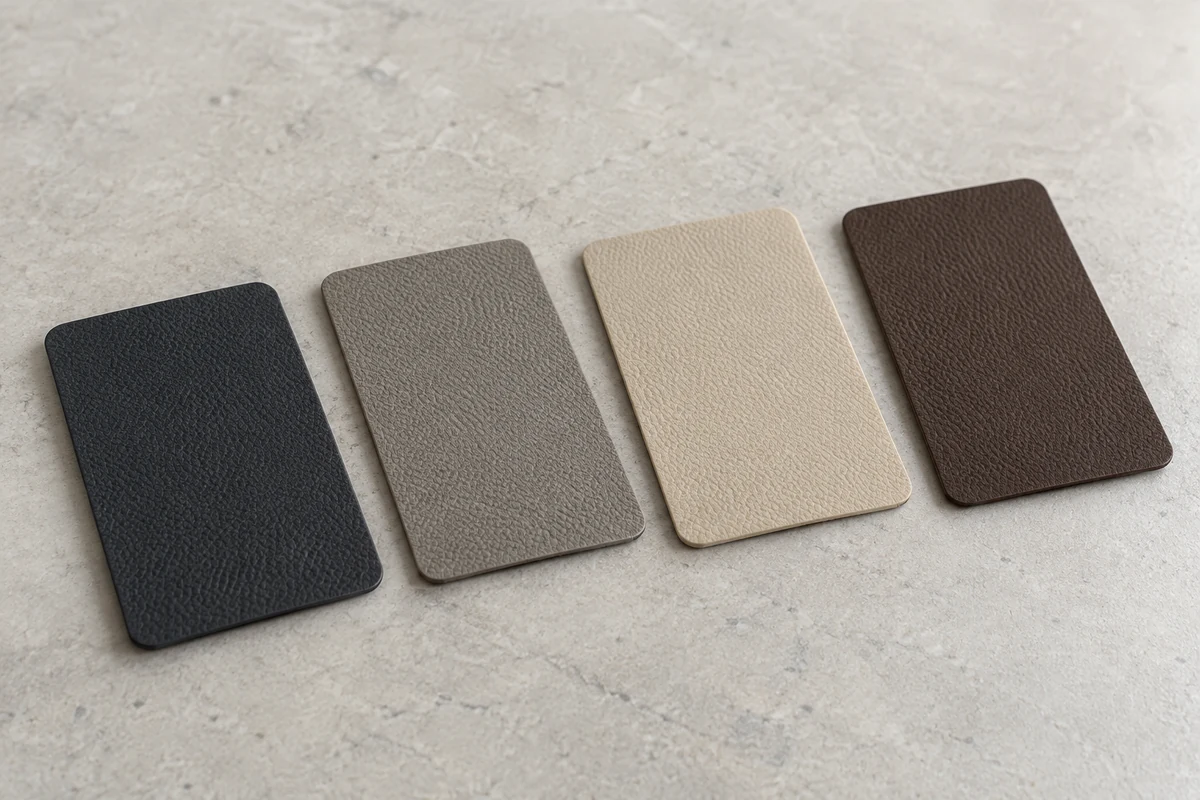
A trim colour sample should be budgeted according to its real intended use. If the buyer wants it both to support future orders and later to install or sell, disclose both purposes before relying on UK commercial-sample relief. The word “sample” on an invoice does not resolve the eligibility question.
There is also a practical purchasing problem: the sample must still provide the colour, texture or finish evidence the buyer needs. Do not choose a preparation method independently and discover later that it has destroyed the comparison value or failed to meet the applicable conditions.
Describe the comparison before choosing the import assumption
Identify the trim sample, supplier reference and characteristics the buyer intends to examine. State whether the proposed sample represents an approved material and finish or merely an early alternative. Preserve any limitations in the seller's description so a colour chip does not become evidence for an entire untested trim assembly.
Record who will use the sample and for what commercial decision. A purchasing team comparing finishes for a possible order has a different factual description from a workshop buying one usable replacement and calling it a sample. Do not tailor the description to the desired relief; describe the actual plan.
Include later intentions. The buyer may expect to retain the sample, display it, install it, transfer it or sell it. Give the adviser those facts before importing, including alternatives still under consideration. Silence about a planned later use leaves the assessment incomplete.
Ask about the actual relief conditions
HMRC's UK commercial-sample guidance connects relief to obtaining future orders and includes preparation, use and disposal conditions. It excludes goods that can serve more than the permitted sample purpose and gives restrictions on later disposition. A small quantity or a sample label alone does not establish eligibility. HMRC commercial-sample relief
Have the responsible customs adviser assess the described purpose, presentation and proposed later use. Ask which preparation, if any, would be acceptable for these particular goods and what evidence must be available before import. If the plan cannot meet the assessed conditions, budget an appropriate alternative import arrangement rather than concealing its intended use.
This article does not instruct anyone to cut, mark, damage or otherwise alter a functional or safety-related component. It also does not replace a technical acceptance plan or authorize installation. Any proposed preparation should be assessed for both customs requirements and the buyer's legitimate comparison need by the responsible parties.
Keep sample usefulness visible
Ask the sample owner what the buyer must still be able to observe after any assessed preparation. If the purpose is to compare surface colour and texture, a proposal that removes or obscures the relevant surface may not meet the procurement need. That practical conflict should be raised before a shipment is booked.
Do not assume that ordering an extra sample solves the issue automatically. It changes the goods and quantities for the adviser to assess, and the supplier must actually quote the revised request. Keep the import purpose and comparison plan aligned rather than maintaining separate contradictory descriptions.
| Sample-use field | Buyer record |
|---|---|
| Sample identity | Exact trim reference and represented characteristics |
| Order-seeking purpose | Commercial decision the sample supports |
| Planned comparison | Features that must remain observable |
| Proposed presentation | Assessed preparation and responsible party |
| Later use | All intended retention, installation or transfer plans |
| Adviser determination | Applicable import treatment and open conditions |
Fictional comparison: a colour sample intended for installation
A fictional buyer requests one trim item to compare its colour, then intends to install it after the review. The seller marks it “commercial sample” and assumes relief. No actual sample or eligibility determination is represented.
The buyer records both uses and asks the adviser to assess the true arrangement. It does not omit the installation plan or make the item unusable without considering the comparison purpose. If another import treatment is appropriate, the cost estimate should reflect that answer.
If the buyer changes the plan to a genuine order-seeking sample, the revised purpose still needs an assessed preparation and disposition basis. A revised description is not itself relief approval. Preserve the final decision with the sample record and keep any unresolved tax amount outside the confirmed freight-only total.
The primary guidance cited here was checked on 14 October 2026. Recheck the applicable current rules and provider terms before committing to the actual shipment.
Keep the buying enquiry within scope
For product context, see Body parts. The Autoparts sourcing request can start an independent aftermarket or unbranded buying enquiry with a short description or supported product link. It accepts up to five PNG, JPEG, WebP or GIF images, at most 10 MiB each and 20 MiB total; descriptions are 8–1200 characters. Arrange other documents through a separately agreed, authorized exchange. The form is not a PDF, CAD or ZIP portal.
Supplier information and negotiation do not establish product suitability, specialist transport acceptance or customs approval. Keep those decisions with the responsible qualified parties. No freight service, branded-product offer or guaranteed outcome is implied here.
Frequently asked questions
Does calling a trim item a sample make it duty-free in the UK?
No. Ask the adviser to assess the actual purpose, presentation and intended later use against the applicable commercial-sample conditions. A label or small quantity is insufficient by itself.
Can I plan to install the trim after using it as a colour sample?
Disclose that intention before importing and have the adviser assess the appropriate treatment. Do not assume commercial-sample relief supports an additional functional use.
Should I deface a part myself to obtain sample relief?
This article does not authorize altering parts. Obtain advice on acceptable presentation and preserve the legitimate comparison need; functional and safety-related goods require appropriate technical responsibility as well.
Is this the same as temporarily importing equipment for an acceptance test?
No. This article concerns UK commercial-sample purpose and presentation. A temporary-import or acceptance-trial proposal needs its own assessment of the goods, activities and applicable procedure.
Sources
Discuss a sourcing request related to this article.Trim colour samples: check UK sample-relief use before budgeting