
Stop-Start Battery Handover: Registration Ownership
Tie any required battery registration to the actual replacement event, energy-management requirement and named provider, rather than the battery invoice.
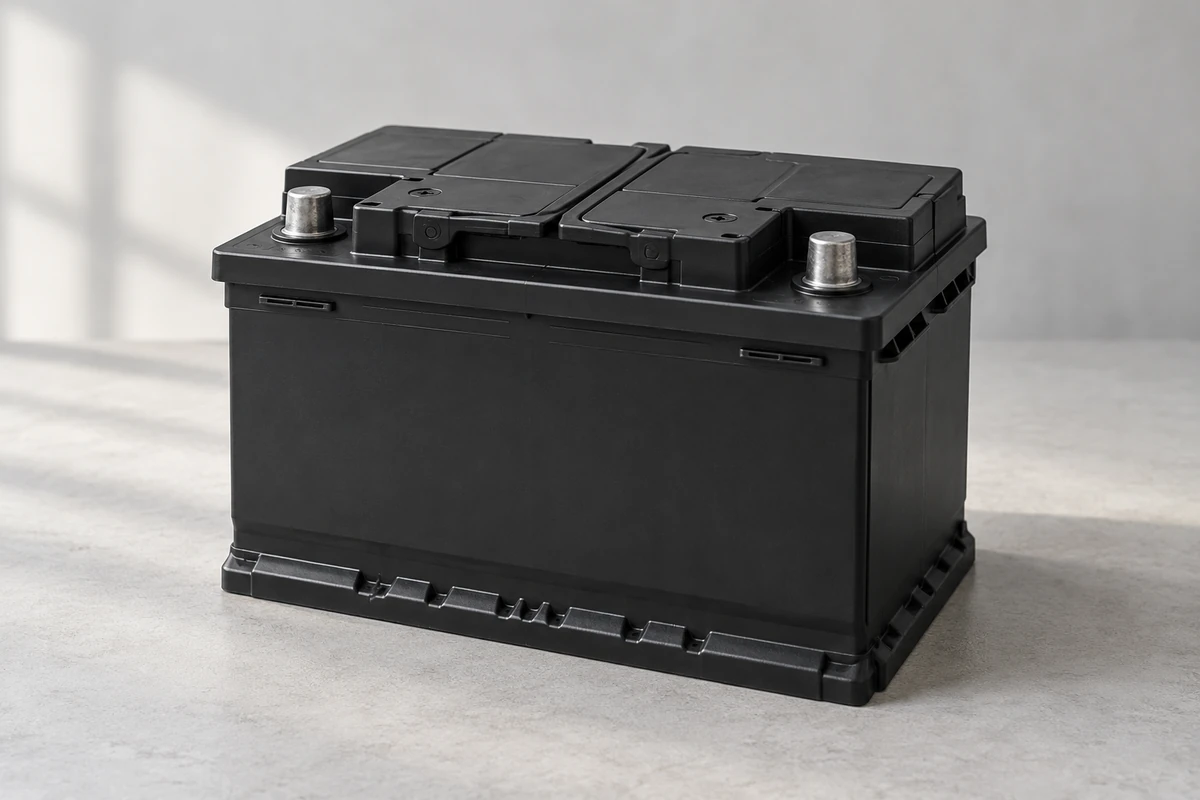
Battery delivery, battery replacement and an energy-management registration record are different events. For a stop-start battery handover, ask whether the current vehicle-specific requirement includes registration or another electronic task, then tie that task to the actual replacement. A receipt for the correct supplied battery cannot establish what was recorded in the vehicle's system.
The battery has already been selected under the responsible application process. The remaining buyer decision is whether the required electronic work has an owner and an attributable result. No battery selection, electrical disconnection or registration command is provided here.
Use the diagnostic example as a question prompt
Delphi's diagnostic-jobs article describes an energy-management task associated with replacing a modern stop-start battery. Checked on 14 October 2026, the example does not establish a universal registration rule or current coverage for an actual vehicle. Delphi diagnostic-job examples
Ask the qualified provider to establish the current requirement for the exact vehicle, market and replacement event. Neither the presence of stop-start wording on a sales listing nor this general article supplies the application-specific answer.
Tie the record to the replacement event
Preserve the accepted battery identity and the actual job reference separately. The invoice tells the buyer which item was bought; the workshop record should identify the replacement event it covers. If several batteries were supplied to a fleet, one invoice cannot be copied into every vehicle file as completion evidence.
Use the event date reported in the service record, not the purchase date by default. If a battery was substituted before the job, have the responsible provider reconcile that actual identity with its record. The coordinator should not enter assumed values or edit a technical report to match the invoice.
This event linkage matters even when the product selection is already approved. A genuine registration report could refer to a previous replacement, another fleet vehicle or an earlier job attempt. Ask for the correct association rather than treating a familiar heading as sufficient evidence.
Make applicability and completion separate statuses
The qualified provider may confirm that an electronic task is required, confirm with an attributable basis that it is not applicable, or leave applicability unresolved. Preserve those three outcomes. A blank registration field should not be interpreted as not required.
When a task is required, identify the provider who accepted it and the record expected under the agreed scope. Booked, performed as reported and reviewed with a stated outcome are different milestones. An appointment confirmation shows an arrangement, not completed work.
If the supplying seller and installing workshop are different parties, ask who owns the electronic task before closing the service scope. The buyer should not assume that a delivered battery includes a workshop service, or that the workshop agreed to registration merely by quoting a physical replacement.
Battery-event handover worksheet
| Field | Evidence to retain | Question kept separate |
|---|---|---|
| Vehicle variant | Current application record and market | Which requirement is being assessed? |
| Actual battery | Accepted identity and any authorized substitution | Does the service record cover what was fitted? |
| Replacement event | Workshop job and reported event date | Is this the current job or an earlier one? |
| Electronic requirement | Qualified applicability answer and source | Required, not applicable or unresolved? |
| Assigned provider | Accepted service scope | Who has committed to the task? |
| Completion or exception | Attributable result and review reference | What remains unconfirmed for this event? |
This original worksheet controls record association. It contains no coding values, diagnostic sequence, equipment recommendation or technical acceptance criterion.
Fictional case: the right invoice and the wrong event
A fictional fleet order supplies batteries for vehicles F-1 and F-2. The provider sends a registration report naming F-1, but its job reference belongs to an earlier battery replacement. F-2's file contains only the purchase invoice. Both batteries may be correctly identified commercially; neither packet yet establishes the current electronic-task outcome.
The buyer asks for F-1's current-event record and a scoped status for F-2. It does not change the old report's date or use the shared invoice to imply both jobs are complete. If the provider says F-2 needs no registration, the buyer requests the attributable current applicability basis rather than insisting every fleet vehicle must follow F-1.
Suppose the provider confirms that F-1's required work is booked but not yet reported complete. Record the appointment under the accepted owner, keeping its completion evidence open. That prevents the administrative replacement order from making a promise about the vehicle's readiness.
Leave a usable service-history entry
The handover should connect the actual battery, actual replacement event, applicability answer and any required result. Keep product warranty, freight evidence and diagnostic completion in their own scopes. A well-linked file helps the next provider understand the history; it does not certify battery health or overall vehicle operation.
Keep the purchasing enquiry focused
For category context, see Engine parts. In an Autoparts sourcing request, identify the actual part and the unresolved handover question. The form supports an 8–1200-character description or a supported marketplace HTTPS link, and up to five PNG, JPEG, WebP or GIF images, limited to 10 MiB each and 20 MiB combined. PDF, CAD and ZIP files need a separately agreed, authorized exchange.
Independent aftermarket or unbranded buying coordination and supplier negotiation do not establish service-provider capability, fitment, engineering approval or a ready-for-use vehicle. Named manufacturers above are documentary examples, with no affiliation or branded-goods offer implied.
Frequently asked questions
Does every stop-start battery replacement need registration?
This article establishes no universal rule. Ask the qualified provider to confirm the current requirement for the exact vehicle and replacement event. Keep required, not applicable and unresolved outcomes distinct, with an attributable basis for the answer.
Can the battery invoice serve as the registration record?
It records the commercial purchase, not the vehicle’s electronic-task result. Link the invoice to the actual replacement job, then retain the applicable service record separately. One fleet invoice should not be treated as evidence that every vehicle’s task is complete.
What if the report names the right vehicle but an earlier job?
Preserve it as an earlier record and request the evidence for the current replacement event. Do not alter the date or job number yourself. Identity alone does not establish that the report covers the work now being handed over.
Is a booked registration appointment enough to close the handover?
It establishes an assignment or arrangement if the provider has accepted the scope. Completion remains a separate record. Carry the pending task and its owner forward without describing the vehicle as electronically complete or ready for use.
Sources
Discuss a sourcing request related to this article.Stop-Start Battery Handover: Registration Ownership