
Rejected headlamps: separate the supplier credit from UK duty recovery
Tie rejected headlamps to the original UK entry and confirm the applicable process before return or destruction, keeping supplier credit separate from duty recovery.
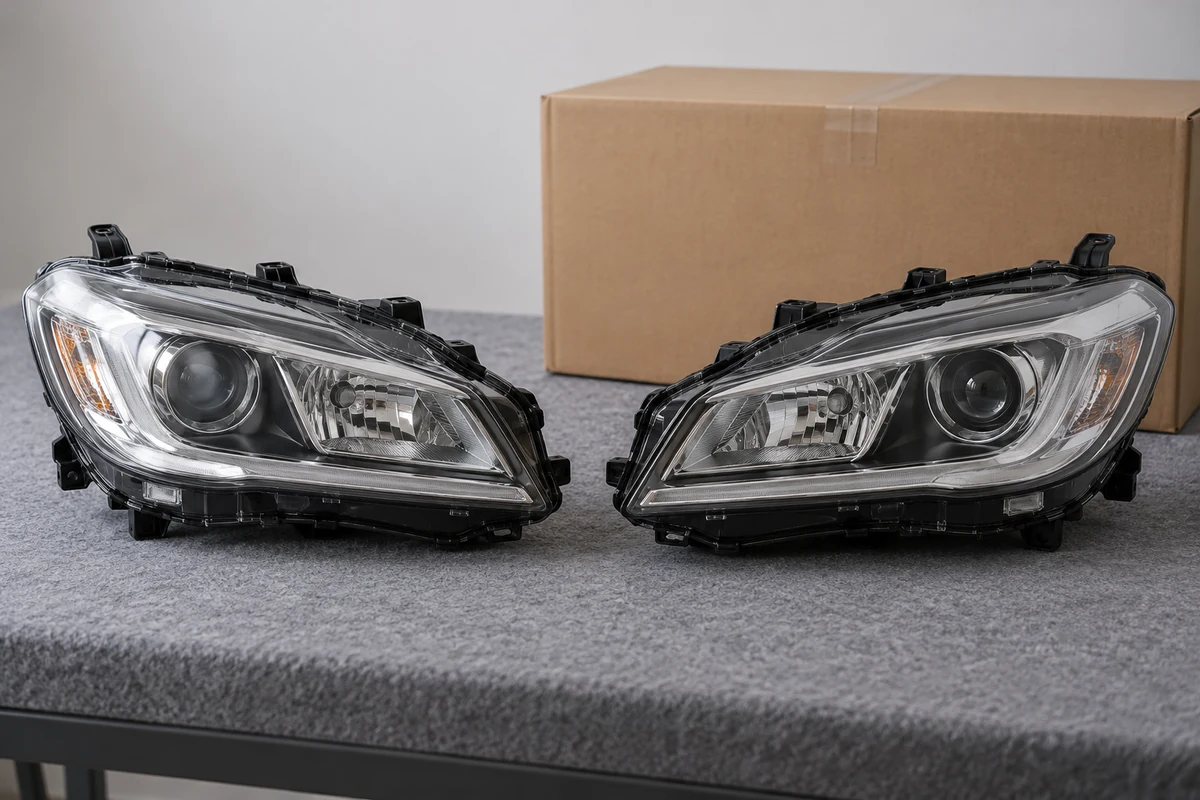
A supplier credit for rejected headlamps does not establish that UK customs duty will be repaid. Before scheduling a return or destruction, connect the actual rejected units to the import record and have the responsible customs adviser confirm the applicable process. Treat a possible recovery as uncertain until its status supports the budget.
This article concerns the customs-repayment enquiry after a documented rejection. It does not decide optical compliance, authorize lamp testing or give a universal refund entitlement. A commercial settlement and a customs claim have different decision owners.
Establish which goods were rejected and why
Link the original customs entry, supplier order and delivered headlamp identities. Record the affected quantity and the evidence connecting those units to the original import. If only part of a consignment is disputed, distinguish those units from accepted stock.
Retain the purchase requirement and factual rejection record. A wrong side, an unagreed configuration and a reported defect are different descriptions. Ask the responsible technical or commercial reviewer to establish the actual issue; purchasing should not turn a vague dissatisfaction message into a technical finding.
Preserve the supplier's response and settlement exactly. A credit may resolve a commercial dispute without accepting every allegation the buyer made. The customs enquiry needs a coherent account of the facts, not an expanded claim inferred from the credit's existence.
Give the adviser the use and disposition history
Record what happened to the lamps after arrival, including any use, sale or other change relevant to the review. Do not conceal inconvenient history to make a proposed claim appear straightforward. If a fact is uncertain, identify the person or record that may resolve it.
HMRC's rejected-import guidance ties relief to conditions concerning the original goods, their status at declaration, use, sale, proposed disposition and timing. It also requires a process before packing for re-export or destruction. The buyer needs an assessment of those conditions before taking an irreversible step. HMRC refunds and waivers on customs debt
Ask the adviser to confirm the relevant procedure, current timing requirements, evidence and any necessary authority response for this case. This article supplies no claim deadline or instruction to export or destroy the goods. Do not assume the supplier's disposal permission answers the customs question.
Separate three money decisions
First, record the supplier credit and its actual conditions. Second, record the quoted costs of any proposed return or other professionally assessed disposition. Third, show the customs-recovery enquiry and its status. Keep VAT questions separate from duty rather than assuming they follow the same outcome.
If the supplier offers an account credit for a future order, do not treat it as cash available to pay current transport. If customs recovery has only been requested, do not subtract it from the confirmed spending requirement. A correct total must preserve the status of each amount.
| Headlamp case field | Record to retain |
|---|---|
| Entry identity | Original declaration and link to affected units |
| Contract mismatch | Approved requirement and factual rejection evidence |
| Use history | Attributable post-arrival events and unanswered facts |
| Supplier credit | Settlement, conditions and payment form |
| Proposed disposition | Unexecuted plan and responsible professional review |
| Customs response | Process, evidence, timing and claim status |
Fictional comparison: credit received, goods about to be discarded
A fictional seller credits a buyer for a rejected headlamp batch. To clear warehouse space, the buyer proposes immediate disposal. The original entry link is incomplete and nobody has checked the pre-disposition customs process. No actual entitlement or claim outcome is implied.
The buyer holds the proposed disposal and gives the available records to the adviser. It requests the missing unit-to-entry evidence and the current process for the particular circumstances. The supplier credit stays recorded as its own commercial event; it does not fill the customs-evidence gap.
If the adviser identifies a condition that cannot be substantiated, keep the potential recovery unresolved or revise the budget according to that assessment. Do not manufacture a use history or relabel accepted lamps as rejected stock to preserve the expected refund.
Decide the next action from the case-specific answer
Only schedule dependent return or disposition steps after the responsible parties have confirmed what is required and who is authorized to act. Retain the relevant correspondence and cost quotes with the case. The useful result is a traceable rejected-import enquiry and an honest cash view, without treating every supplier settlement as automatic duty or VAT recovery.
The primary guidance cited here was checked on 14 October 2026. Recheck the applicable current rules and provider terms before committing to the actual shipment.
Keep the buying enquiry within scope
For product context, see Lighting parts. The Autoparts sourcing request can start an independent aftermarket or unbranded buying enquiry with a short description or supported product link. It accepts up to five PNG, JPEG, WebP or GIF images, at most 10 MiB each and 20 MiB total; descriptions are 8–1200 characters. Arrange other documents through a separately agreed, authorized exchange. The form is not a PDF, CAD or ZIP portal.
Supplier information and negotiation do not establish product suitability, specialist transport acceptance or customs approval. Keep those decisions with the responsible qualified parties. No freight service, branded-product offer or guaranteed outcome is implied here.
Frequently asked questions
Does a supplier credit automatically refund UK customs duty?
No. The supplier settlement and customs-repayment process are separate. Ask the adviser to assess the actual rejected goods, entry evidence and applicable conditions.
Can I discard rejected headlamps once the seller agrees?
Do not let that commercial agreement substitute for the applicable customs process. Confirm requirements with the responsible adviser before irreversible disposition or packing for re-export.
Why record whether the lamps were used or sold?
The cited rejected-import guidance includes use and sale conditions. Provide the actual history for assessment rather than assuming rejection or a credit makes those facts irrelevant.
Should I assume VAT is recovered if duty is repaid?
Keep the VAT question separate and obtain the appropriate case-specific advice. This article establishes neither a duty repayment nor an automatic corresponding VAT outcome.
Sources
Discuss a sourcing request related to this article.Rejected headlamps: separate the supplier credit from UK duty recovery